Visual Storytelling & Deck Design
Translating ideas into narratives that persuade, clarify, and move people.
Visual Storytelling & Deck Design
Translating ideas into narratives that persuade, clarify, and move people.
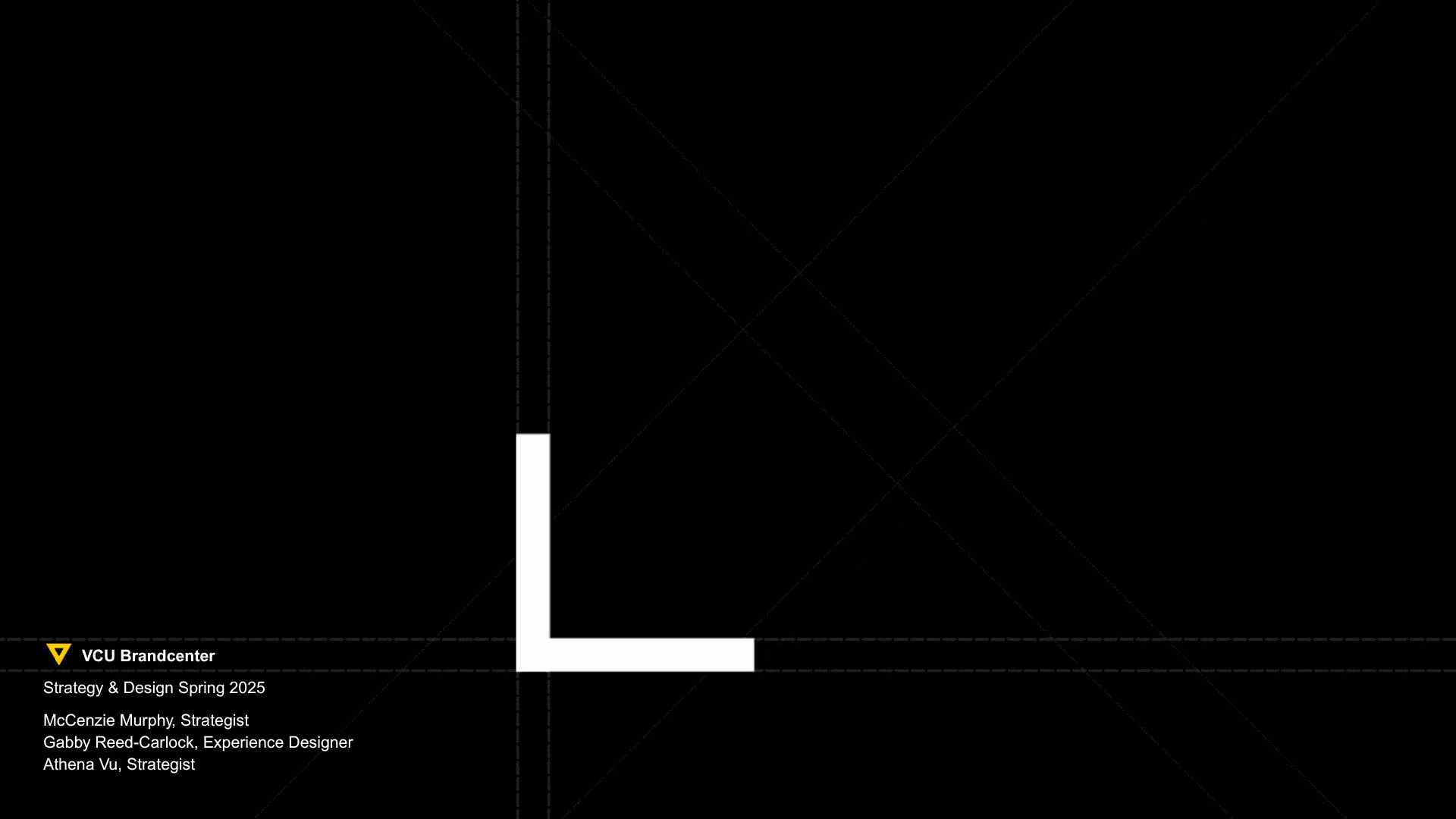
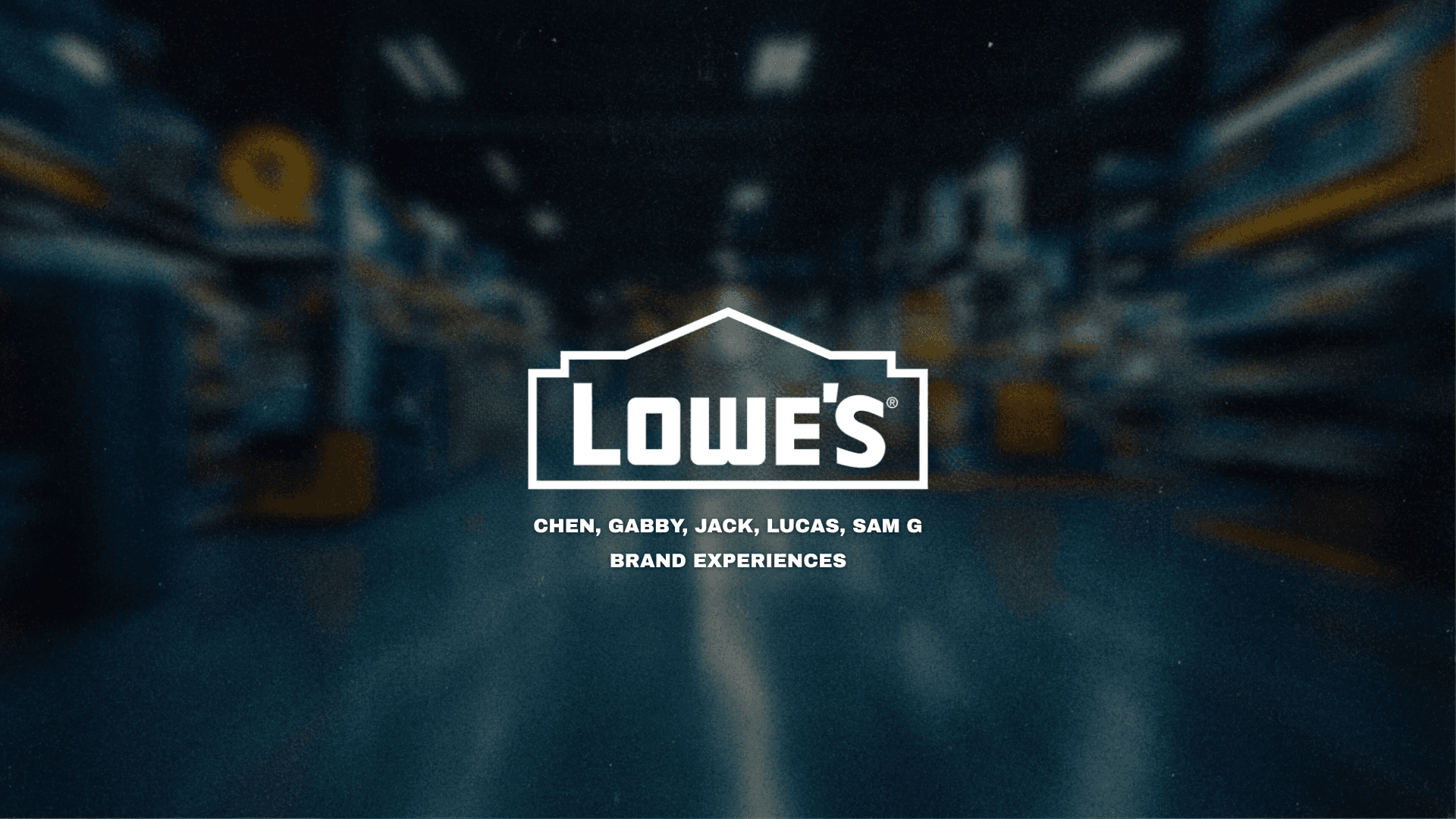
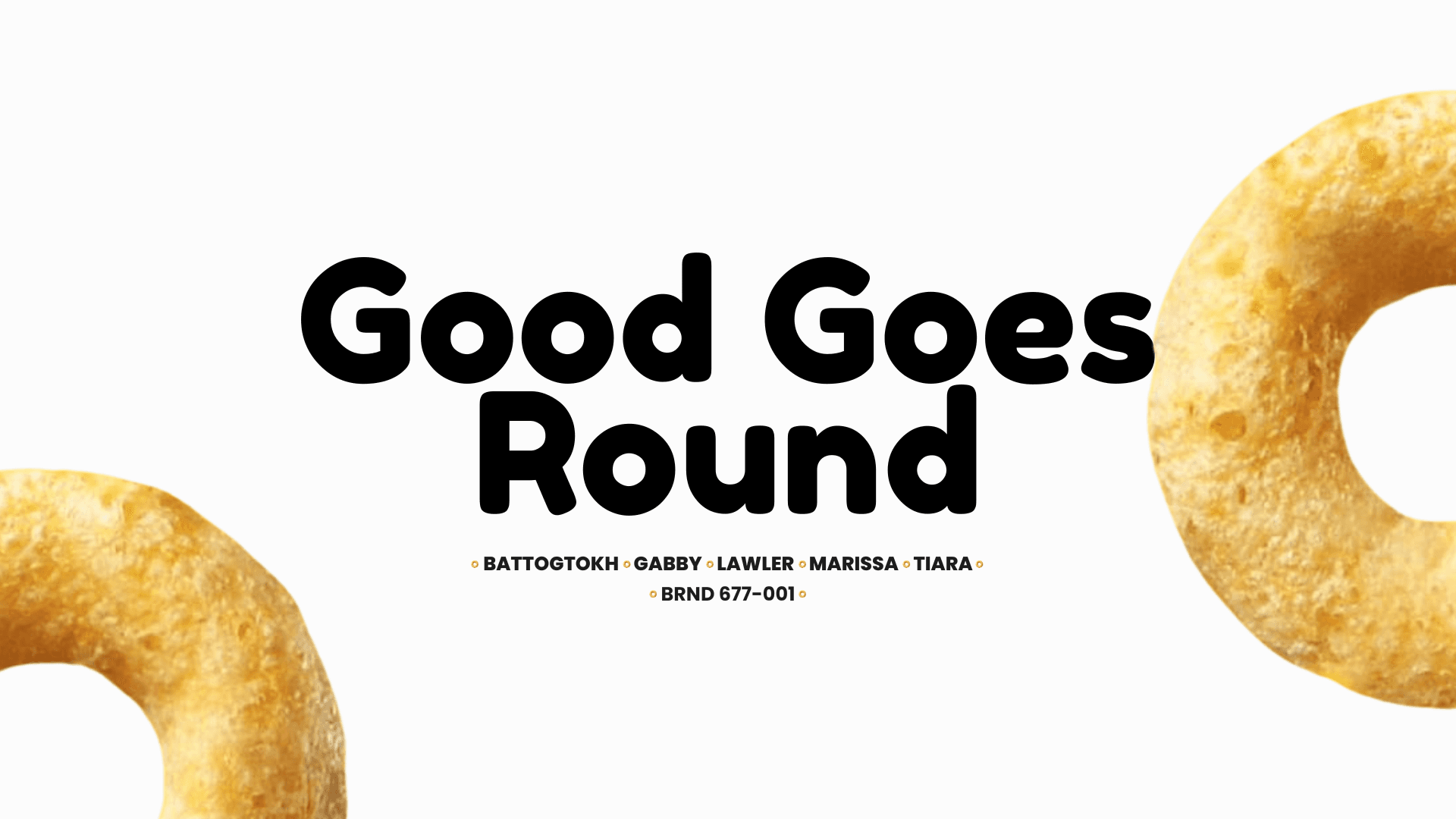
FEATURED DECKS
FEATURED DECKS
Best Experienced in Presentation Mode
Best Experienced in Presentation Mode
These decks are designed to be experienced as presentations, not just slides.
To view them as intended, open the link and select “Present” in Canva to experience the pacing, transitions, and narrative flow.
Each deck reflects not only the solution — but the storytelling behind it.
These decks are designed to be experienced as presentations, not just slides.
To view them as intended, open the link and select “Present” in Canva to experience the pacing, transitions, and narrative flow.
Each deck reflects not only the solution — but the storytelling behind it.




WHY THIS MATTERS
WHY THIS MATTERS
Design Doesn’t End at the Product
Design Doesn’t End at the Product
Great ideas fail when they aren’t communicated clearly.
For me, deck design isn’t an afterthought — it’s part of the work. Presentation structure, pacing, hierarchy, and visual restraint shape how ideas are received, understood, and remembered.
I approach decks the same way I approach UX:
Start with the human.
Structure the narrative.
Guide attention intentionally.
Remove friction.
Make complexity feel clear.
Great ideas fail when they aren’t communicated clearly.
For me, deck design isn’t an afterthought — it’s part of the work. Presentation structure, pacing, hierarchy, and visual restraint shape how ideas are received, understood, and remembered.
I approach decks the same way I approach UX:
Start with the human.
Structure the narrative.
Guide attention intentionally.
Remove friction.
Make complexity feel clear.
MY APPROACH
MY APPROACH
How I Build a Story
How I Build a Story
Every presentation I design follows a deliberate arc:
Establish emotional context
Introduce tension
Validate with insight
Reveal the solution
Anchor impact
I use typography, spacing, pacing, and repetition to reinforce key moments. Slides aren’t decoration — they’re architecture.
Every presentation I design follows a deliberate arc:
Establish emotional context
Introduce tension
Validate with insight
Reveal the solution
Anchor impact
I use typography, spacing, pacing, and repetition to reinforce key moments. Slides aren’t decoration — they’re architecture.